
Published 29 January 2026
Daily 7 Products Supporting Folliculitis Management
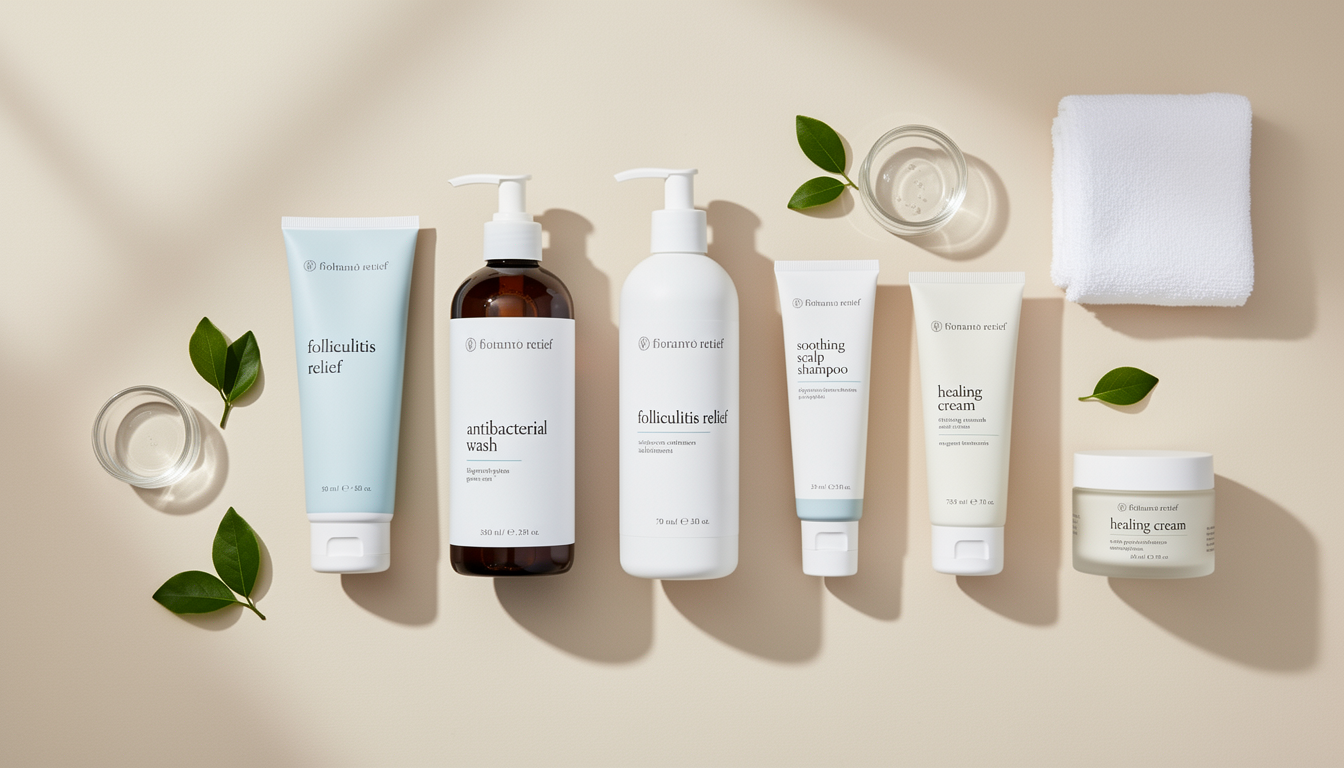
Folliculitis is an inflammation of hair follicles that often shows up as red bumps or pustules and is frequently mistaken for acne. It can result from bacteria or yeast, heavy sweating, friction from tight clothing, or irritation after shaving. Managing it well means using products that cleanse, treat infections, and calm irritation. Below is a curated list of 7 products suitable for daily use that can support a folliculitis care routine.
1. EMUAIDMAX First Aid Ointment
EMUAIDMAX First Aid Ointment is a concentrated, multi-use homeopathic ointment intended to speed relief and healing for persistent skin problems, including signs commonly seen with folliculitis. It combines natural actives with a patented transdermal delivery system (EMUTANEOUS) to carry ingredients deeper into the skin. People use it to address pain, infection, and inflammation across a range of issues from small wounds and burns to nail fungus and ingrown hairs.
Key components include Argentum Metallicum (colloidal silver), Melaleuca Alternifolia (Tea Tree Oil), and Emu Oil. Colloidal silver contributes antibacterial and antimicrobial effects, Tea Tree Oil brings antibacterial and antifungal activity useful for many folliculitis cases, and Emu Oil supports anti-inflammatory action and deeper skin penetration. The formula also contains Bacillus Ferment to support the skin microbiome and Vitamin E as an antioxidant. Many users report quick relief from burning, stinging, itching, redness, and mild pain, although the product is often sold at a higher price point.
2. PanOxyl Acne Foaming Wash
PanOxyl Acne Foaming Wash is an over-the-counter option centered on benzoyl peroxide, an ingredient often effective for bacterial folliculitis. Benzoyl peroxide works by reducing harmful bacteria on the skin and clearing dead skin cells that can block hair follicles.
Available in 4% and 10% strengths, PanOxyl reduces bacterial load, helps shed dead skin, and lowers excess sebum that can contribute to blocked pores and worsened folliculitis. Because benzoyl peroxide can dry or irritate skin, it's wise to begin with a lower concentration and follow with a good moisturizer. Many users see improvement in breakouts within about a week when they use it consistently.
3. CeraVe Renewing SA Cleanser
The CeraVe Renewing SA Cleanser uses salicylic acid, a beta hydroxy acid (BHA), to help manage folliculitis by gently exfoliating and keeping follicles clear. Salicylic acid penetrates oily follicles to dissolve oil and shed dead skin cells—common contributors to folliculitis.
Formulated to be gentle enough for daily use, this cleanser aims to prevent the excessive dryness sometimes caused by stronger treatments. Dermatologists value salicylic acid for regulating oil and supporting skin repair, making this product a useful part of a folliculitis-focused routine.
4. Hibiclens Antiseptic Skin Cleanser
Hibiclens Antiseptic Skin Cleanser, which contains chlorhexidine gluconate, is known for broad antimicrobial action. It works against many bacteria, fungi, and viruses, so it’s a reasonable choice when dealing with bacterial forms of folliculitis.
Frequently used in clinical settings to reduce infection risk, Hibiclens can be added to daily showering to lower bacterial counts on the skin. Some people with chronic folliculitis report benefit, though the product can be drying; pairing it with a solid moisturizing routine is often recommended.
5. Nizoral Anti-Dandruff Shampoo
When folliculitis is driven by yeast—commonly Malassezia (Pityrosporum folliculitis)—Nizoral Anti-Dandruff Shampoo targets that cause directly. Its active ingredient, ketoconazole, is an antifungal that combats yeast overgrowth responsible for this type of folliculitis.
Although typically used on the scalp for dandruff, Nizoral can be applied to other affected areas like the back, chest, or neck. Fungal folliculitis usually doesn’t respond to standard acne treatments such as benzoyl peroxide or salicylic acid, so an antifungal product is often necessary.
6. Tea Tree Oil Body Wash
A Tea Tree Oil Body Wash takes advantage of Melaleuca Alternifolia’s natural antiseptic, antifungal, and anti-inflammatory qualities. Tea tree oil is a common alternative treatment among people with folliculitis and can help reduce redness, swelling, and tenderness while limiting bacterial growth.
Using a tea tree oil–infused body wash daily can soothe and cleanse irritated follicles. Pure tea tree oil should be diluted before direct use, so pre-formulated body washes offer a convenient and safer way to get its benefits.
7. Hydrocortisone Cream 1%
Hydrocortisone Cream 1% is a readily available topical corticosteroid that eases inflammation, reduces redness, and relieves itching during folliculitis flare-ups.
It’s particularly helpful for irritation that follows hair removal methods like shaving or waxing, which can provoke or worsen folliculitis. Hydrocortisone addresses symptoms but not the underlying infection, so it’s best used alongside antimicrobial measures for fuller control.
Key Takeaways
- Identify the cause: Bacterial, fungal, and irritant folliculitis need different active ingredients for effective treatment.
- Incorporate antimicrobials: Benzoyl peroxide and chlorhexidine gluconate work well for bacterial infections, while ketoconazole treats fungal cases.
- Gentle exfoliation: Salicylic acid helps keep pores clear and supports skin renewal without harsh scrubbing.
- Soothe inflammation: Products like EMUAIDMAX and hydrocortisone cream help reduce redness, itching, and discomfort.
- Consistency is key: Regular use of suitable products is important for controlling and preventing recurrent folliculitis.
- Moisturize: Many active treatments dry the skin; always follow up with a gentle, non-comedogenic moisturizer.
FAQ
What causes folliculitis?
Folliculitis is inflammation of hair follicles and commonly results from bacterial or yeast infections. It can also follow prolonged sweat, hormonal shifts, pore-clogging products, or irritation from shaving and tight clothing.
How often should I use products for folliculitis?
Many topical antibacterials and benzoyl peroxide washes are applied once or twice daily, but follow each product’s directions and consider dermatology advice. Overuse can lead to excess dryness or irritation.
Controlling folliculitis takes a steady, targeted routine. Using these products appropriately can reduce discomfort, help clear existing outbreaks, and lower the chance of recurrence. For persistent or severe cases, see a dermatologist for a tailored diagnosis and treatment plan.